
Tips & Updates
Space Heater Safety: What Idaho Homeowners Need to Know Before It Gets Cold
Space heaters cause more home electrical fires than almost any other appliance. Here's how to use one safely — and the warning signs your circuit isn't built for it.
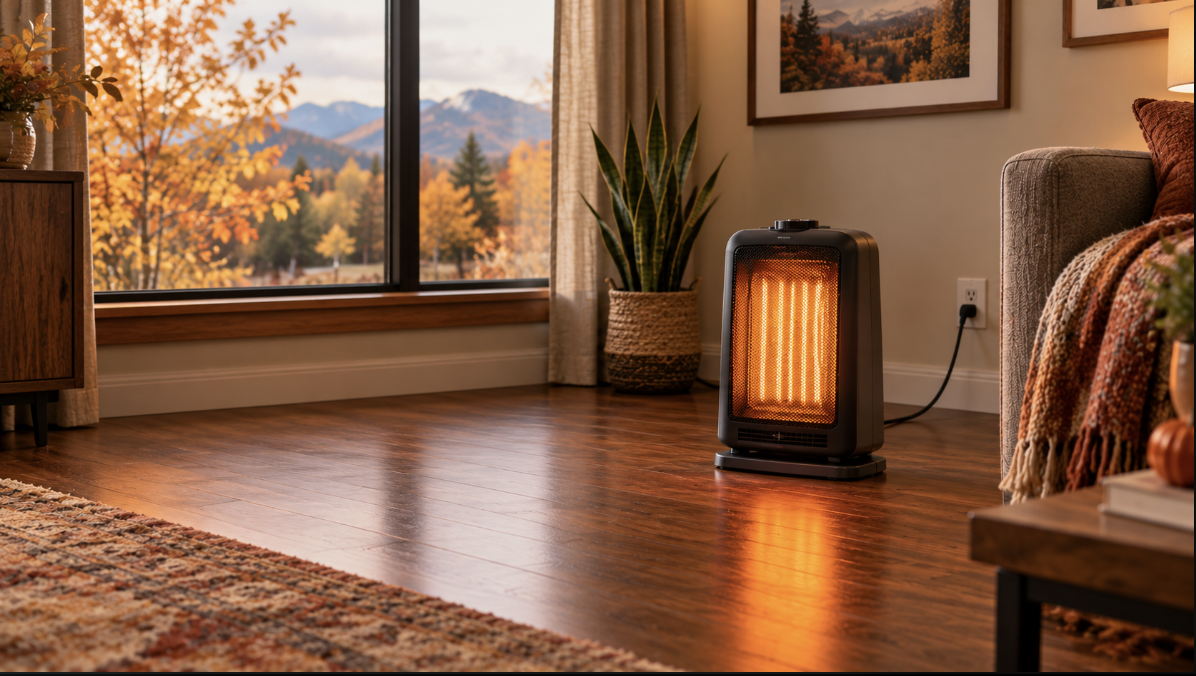
As temperatures drop across the Treasure Valley, space heaters come out of storage in nearly every home. They're cheap, convenient, and warm up a room fast — but they're also one of the leading causes of home electrical fires every fall and winter. The heater itself usually isn't the problem. How it's plugged in almost always is.
Why Space Heaters Are So Risky
A typical portable space heater draws 1,500 watts — roughly 12.5 amps on a standard 120V circuit. That alone isn't dangerous. The danger comes from what else shares that circuit, what it's plugged into, and how long it runs unattended. A heater pulling that much current for hours at a time, on an outlet or extension cord that wasn't built for sustained heavy load, is exactly the scenario behind most space-heater-related house fires.
Rules to Actually Follow
Plug It Directly Into the Wall
Never use an extension cord or power strip for a space heater. Extension cords are rarely rated for the sustained current a heater draws, and the connection point can overheat without you noticing — often inside a wall or under a rug.
Don't Share the Circuit
Running a space heater on the same circuit as other high-draw appliances — a microwave, hair dryer, or window AC unit — is a common way to overload a circuit that wasn't designed to handle the combined load, even if each device is fine on its own.
Give It 3 Feet of Clearance
Keep space heaters at least three feet from curtains, furniture, bedding, and anything flammable. This sounds obvious, but it's one of the most common factors in space-heater fires — especially in smaller bedrooms and home offices.
Never Leave It Running Unattended
Turn it off when you leave the room or go to sleep. Most modern heaters have an auto shut-off feature if tipped — but that doesn't protect against an overheating outlet or overloaded circuit behind the wall.
Check for a UL Listing
Older or off-brand heaters without modern safety certifications lack the auto shut-off and overheat protection standard on newer models. If yours is more than a few years old, it may be worth replacing rather than risking it.
Warning Signs Your Circuit Isn't Keeping Up
A space heater is a good stress test for your home's wiring. Pay attention if you notice:
- The breaker trips whenever the heater runs alongside anything else
- The outlet or the heater's plug feels warm to the touch
- A burning or hot-plastic smell near the outlet
- Lights flicker or dim elsewhere in the house when the heater kicks on
- The outlet is an older two-prong style without a ground
Any of these mean it's time to stop using that outlet for the heater and have it looked at. A warm outlet or a persistent trip isn't something to work around — it's the wiring telling you it's at its limit.
The Better Long-Term Fix
If you rely on space heaters every winter because certain rooms run cold, that's usually a sign of a larger heating or electrical gap — not something a heater should be permanently patching over. A dedicated circuit for a space heater, or an electrical assessment of why a room needs supplemental heat in the first place, is a safer and more permanent solution than running a heater on a shared circuit all season.
Stay Safe This Winter
Get Your Circuits Checked
F.U.S.E. serves the entire Treasure Valley. If an outlet runs warm or a breaker keeps tripping, we'll find out why before it becomes a real problem.