
Tips & Updates
How Often Should You Get an Electrical Inspection?
Most homeowners never think about an electrical inspection until something goes wrong. Here's how often you actually need one — and what triggers an inspection sooner.
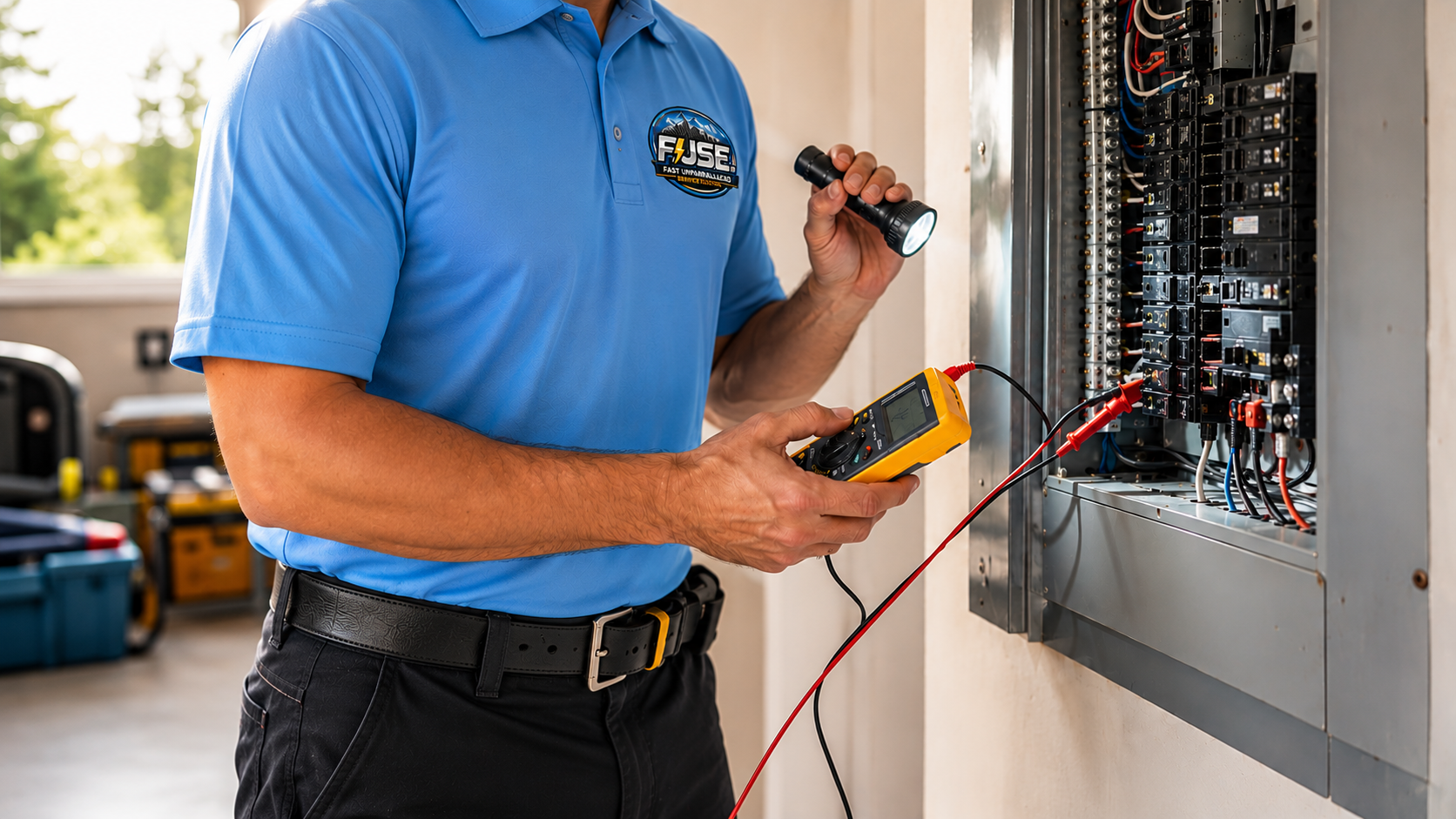
Electrical systems don't announce when they're failing. Wiring degrades quietly behind walls, connections loosen over years of use, and panels age out of code long before anything visibly goes wrong. A routine electrical inspection is the only way to catch these issues before they become an outage, a costly repair, or a fire hazard. The question homeowners ask most is simple: how often is "routine"?
The General Rule of Thumb
Every 3–5 Years for Most Homes
If your home is in good condition, was built to modern code, and hasn't had any major electrical work done recently, a full inspection every 3 to 5 years is a reasonable baseline. It catches wear and tear before it becomes a problem.
Every 1–2 Years for Homes Over 25 Years Old
Older wiring, aging panels, and outdated grounding methods degrade faster and pose more risk. Homes built before the mid-1990s should be inspected more frequently, especially if the panel or wiring has never been upgraded.
Before Buying or Selling a Home
A pre-purchase electrical inspection is one of the smartest investments a buyer can make. It's also common for sellers to get ahead of it — an inspection report can prevent a deal from falling through over an unexpected discovery.
Immediately After Any Major Renovation
Adding a room, finishing a basement, or installing new major appliances changes the load on your electrical system. Any project involving new circuits should be inspected as part of the permit process.
Signs You Need One Sooner
Regardless of when your last inspection was, certain warning signs mean you shouldn't wait for the next scheduled check:
- Breakers that trip repeatedly, even under normal loads
- Flickering, dimming, or buzzing lights
- Warm outlets, switches, or a warm breaker panel
- A burning smell with no obvious source
- Discolored or charred outlet covers
- Frequent use of extension cords because there aren't enough outlets
- A fuse box instead of a modern breaker panel
What an Inspection Actually Covers
A thorough electrical inspection isn't just a quick glance at your panel. A proper inspection includes:
- Panel and breaker condition, capacity, and safe labeling
- Wiring type, age, and condition — including any outdated materials like knob-and-tube or aluminum wiring
- Grounding and bonding to confirm your system meets current code
- GFCI and AFCI protection in kitchens, bathrooms, and other required areas
- Outlet and switch condition throughout the home
- Smoke detector and carbon monoxide detector placement and function
At the end of the inspection, you get a clear report — what's safe, what needs attention now, and what to plan for down the road. No pressure, no surprise upsells.
An Inspection Is Cheaper Than an Emergency
The homeowners who skip inspections almost always end up paying more — either through a preventable repair that turned into an emergency call, or through the higher cost of fixing a problem that had years to get worse. A routine inspection is one of the lowest-cost ways to protect your home, your family, and your investment.
Peace of Mind
Schedule Your Inspection
F.U.S.E. serves the entire Treasure Valley. Thorough inspections, honest reporting, and upfront pricing.