Tips & Updates
EV Charger Rebates & Incentives in Idaho: What's Available in 2026
Installing a home EV charger costs less than you'd think once rebates and incentives are factored in. Here's what's actually available to Idaho homeowners in 2026.
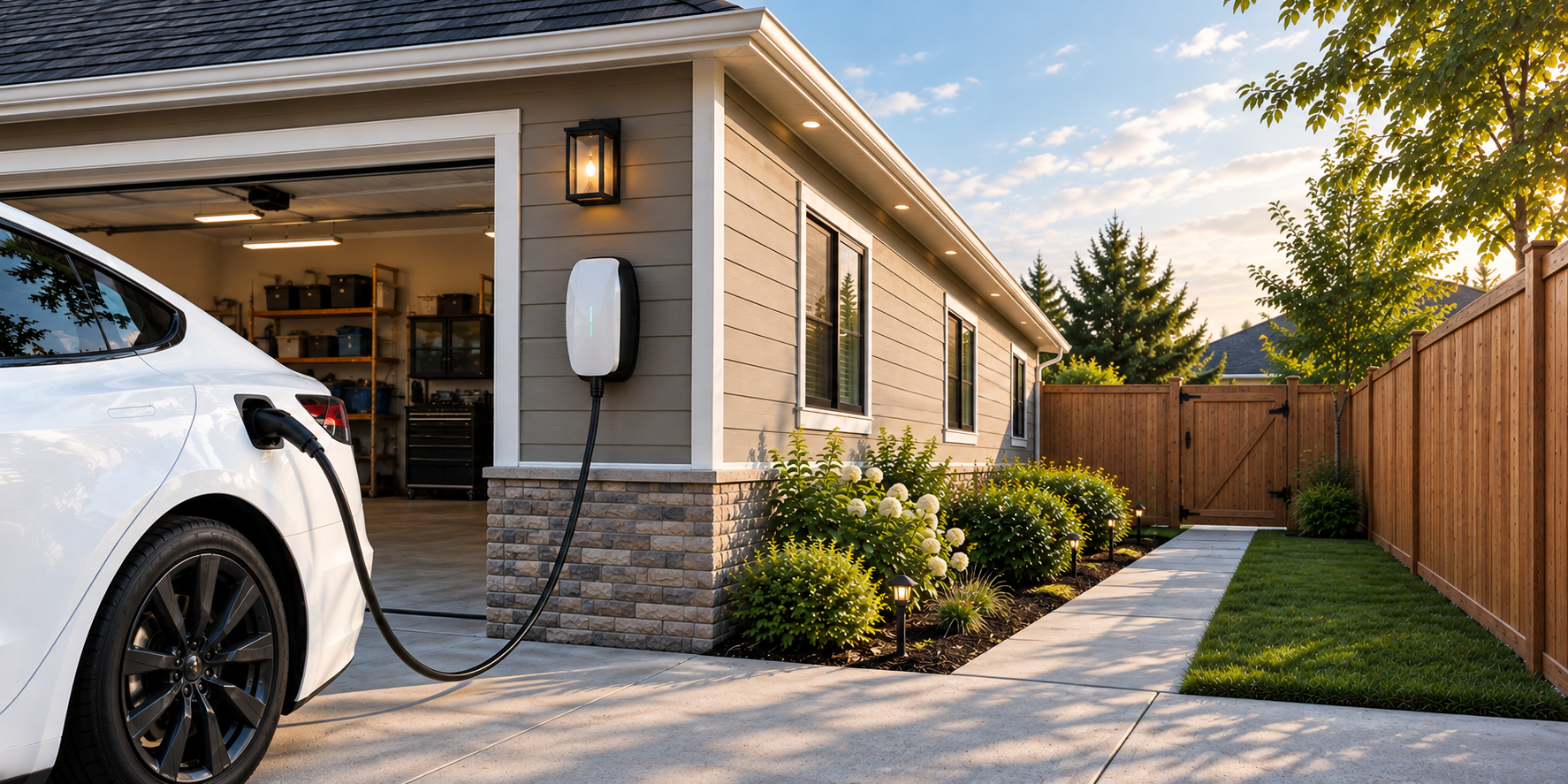
If you've been putting off installing a home EV charger because of the upfront cost, it's worth taking another look. Between a federal tax credit, Idaho Power incentives, and manufacturer rebate programs, the real cost of a Level 2 home charger installation is often significantly lower than the sticker price suggests. Here's what's actually on the table in 2026.
What's Available Right Now
Federal EV Charger Tax Credit
Homeowners who install qualified EV charging equipment may be eligible for a federal tax credit covering a percentage of equipment and installation costs, up to a set maximum. It's claimed when you file your taxes — your accountant or tax software will need the equipment and installation receipts, which we provide with every install.
Idaho Power Incentive Programs
Idaho Power periodically offers incentive programs for residential EV charging equipment and off-peak charging enrollment. Availability and amounts change, so it's worth checking their current program page or asking us — we stay current on what's active before we quote a job.
Manufacturer & Retailer Rebates
Charger manufacturers like ChargePoint, Tesla, and Emporia frequently run their own rebate or instant-discount promotions on hardware, separate from utility or government incentives. These stack with other incentives more often than not.
Time-of-Use Rate Savings
Beyond one-time rebates, many Idaho Power customers can enroll in a time-of-use rate plan that charges less for electricity used overnight — exactly when most EV charging happens. It's not a rebate, but it lowers your cost every single month for the life of the charger.
What You Need to Qualify
Incentive programs almost always come with requirements. The most common ones we see:
- Installation must be performed by a licensed electrician — DIY installs typically don't qualify
- The charger must meet current safety certification standards (UL listed)
- A permit and inspection are often required to document the install
- Some utility programs require enrollment before installation, not after
- Keep all receipts — equipment cost and labor are usually itemized separately for tax purposes
That last point about utility enrollment timing is the one people miss most often — if a program requires enrollment before the work starts, scheduling the electrical work before checking the program rules can mean missing out entirely. It's worth a five-minute conversation before anything gets scheduled.
What This Actually Looks Like in Practice
Programs and amounts shift year to year, so the exact numbers aren't something we'd want to print here and have go stale. What we do instead: when we quote a Level 2 charger install, we check what's currently active — federal, utility, and manufacturer — and walk you through what you likely qualify for before any work begins. No guessing, no surprise paperwork after the fact.
Find Out What You Qualify For
Get a Free EV Charger Quote
F.U.S.E. installs Level 2 EV chargers throughout the Treasure Valley and will walk you through current rebates before any work begins.